

Electric Assistive Technology
In 2030, the number of people who need assistive devices will increase by a factor of two. These devices can be store bought; modified, like adding tennis balls to a walker or even made to order.
A few examples of assistive technology are pencil grips, ergonomic kitchen tools (such as OXO good grips) and keyboards that are specialized. Other devices, like screen magnifiers, can be considered.
Functional electrical stimulation
Functional electrical stimulation (FES) applies small electric charges to muscles that have become paralysed or weak because of injuries, such as stroke or multiple sclerosis. The electrical pulses cause the muscle to move normally. This treatment is used to facilitate movements, like grasping or walking, and it can help improve the function of the bladder and bowel and decrease the chance of developing pressure sores.
Electrical stimulation has been used for many years to treat a variety of conditions. Examples include cochlear implants that restore hearing, respiration assisters, and systems that help people void their bladder. It can also help reduce tremors that are caused by Parkinson's. The electrical stimulation is delivered via electrodes that may be completely implanted in the body, or they can be placed on the skin without penetrating the skin, which is known as noninvasive electrodes or percutaneous.
The intensity of stimulation can be adjusted to achieve different outcomes. The amplitude of a stimulus may affect, for instance, the kind and the location of nerve fibers targeted. The fibers that are larger and close to the electrode are targeted first. Another crucial aspect is the duration of the stimulation. This influences the length of time the muscle is active, which could affect the speed of fatigue.
FES isn't for everyone. It can be effective in helping someone with an injury to their spine recover their functional movements. It's not suitable for those with uncontrolled epilepsy or cancerous lesions on the skin to be stimulated or who are sensitive to. The electrodes aren't recommended for those suffering from skin conditions, since they may cause irritation or pressure injuries.
Power chairs
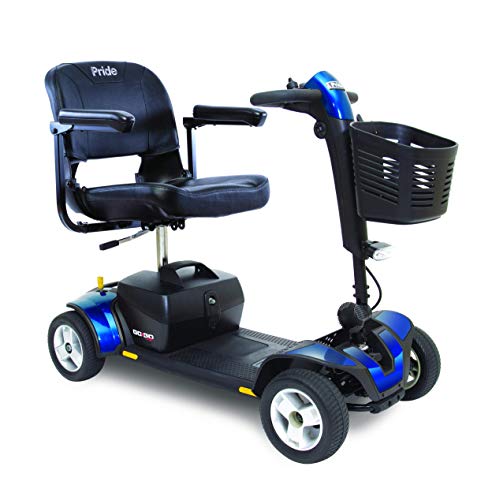
Power chairs are motorized wheelchairs that use an electric motor and battery to assist with mobility. They can be operated by using a joystick or control system, and offer greater independence and accessibility to the world for those who are unable to walk. They also let users travel longer distances without relying on others for help. Additionally, these devices can be customized and adapted to accommodate specific user needs.
There are a variety of different types of power chairs that include portable or indoor/outdoor models, as well as a mid-sized. Portable power chairs are incredibly lightweight and fold down to fit into small spaces. These are ideal for everyday home use or for riding shorter distances. Power chairs that are mid-sized offer an ideal balance between portability and durability, while the outdoor and indoor power chairs are designed for use outside but can be adjusted to suit indoor conditions. Outdoor and indoor power chairs have grippy tyres to help with manoeuvres on kerbs and may include the ability to climb kerbs.
For those with physical disabilities, assistive technology is a crucial tool. It can range from shop purchased solutions such as voice recognition software to specialized seating options that enhance the user's confidence and comfort. The most advanced assistive technology is usually more expensive, but they provide advanced features and customizable options that are suitable for people with a variety of requirements.
It is recommended that you seek professional advice from a medical or physical therapist to determine the best solution. They can recommend the right equipment to meet your needs, the right size it correctly, and teach you how to operate it. They will also be able to assist in selecting accessories and how to integrate the equipment into your daily routine.
Railings
Railings are commonly referred to as handrails. They run diagonally across ramps or stairs. They provide a solid gripping point for people navigating the incline. lightweight mobility electric scooter contain regulations regarding handrails' height and spacing to avoid accidents. Handrails can be designed to an easy-to-hold shape or constructed of materials that are easy to grip. Handrails that are functional and in compliance with ADA regulations have an opening for fingers on one side or both. They also must be sturdy enough to withstand 200 pounds of force.
Handrails also serve as an aid for those with visual impairments, helping them to navigate staircases. Running their hand across the railings allows users to feel the number of steps, curves or landings. In emergency situations handrails can assist in directing people to safe exit routes.
Electronic pillboxes
The electronic pillbox was designed to aid seniors in remembering to take their medication. The electronic pillbox utilizes visual and audio reminders, as well as triple alarms, to ensure seniors take their medication at the right time. This technology can cut down on medication errors which are the leading cause of death in seniors. It can also help to stop fatal overdoses.
The device consists of a medication container with different compartments for each day and the time of the week, an electronic sensor powered by batteries that has the ability to connect to a global mobile data network, and a set of speakers and LEDs that allow visual/audible notifications of pill dueness. This device is intended for patients who frequently take many vitamins or medicines as well as caregivers in retirement homes and hospitals.
In the simplest form, the pillbox sensors are integrated inside the lid. They monitor the state of the lids for the subcompartment. The sensors are activated when a lid is opened by the user and a message sent to the microcontroller. The signal is time-stamped before being saved to the circular memory buffer of the microcontroller 18LF252 PIC.
The system is designed to be easily programmed using an external Arduino board, which is responsible for each of the different parts. The Arduino board will be responsible for emitting light and sound signals to the pillbox to notify the senior that a medication needs to be taken, and wirelessly delivering the message to caregivers. The light and acoustic signals will be on for a short period of time, then bleep every 10 s until the senior has a conversation with the device. The pillbox will then dispensing the pill and the LEDs as well as the internal speaker will be turned off.